Wind chill, weather, the ice, the road and the table.
Dashboard
Form 1 · Calculator
1.Wind chill
How cold it feels on bare skin, by the
National Weather Service formula.
It applies at 50 °F or colder, with wind of 3 mph or more. It works without JavaScript.
Guidance here is general. For frostbite times at specific wind chills, see the NWS chart.
Slide to a temperature and I will tell you how a Minnesotan takes it.
32 °F / 0 °C.Hoodie weather. Perfect for grilling.
About this guide
Minnesota winters are long, bright and very cold, and people here have built a culture around them. This guide is for new
Minnesotans, winter visitors and anyone curious about life in the North Star State when the lakes freeze. It covers what to
expect, what to eat, how to stay safe on the ice and the road, and how cold it really gets. Use the tabs above to move between
the sections.
Staying warm
Dress in layers: a wicking base layer, an insulating middle layer and a windproof outer layer. Cover your head, hands, face
and ears, and keep your feet dry. Wind makes everything colder, which is why forecasts quote the wind chill, a measure of how
fast exposed skin loses heat. Try the calculator above to see it for yourself.
5.Winter traditions
Winter here means festivals, rinks, lantern-lit lakes and jumping into holes in the ice for charity. Many people plan their
social lives around staying warm together. Six that I would put on a calendar:
Saint Paul Winter Carnival
Saint Paul, since 1886
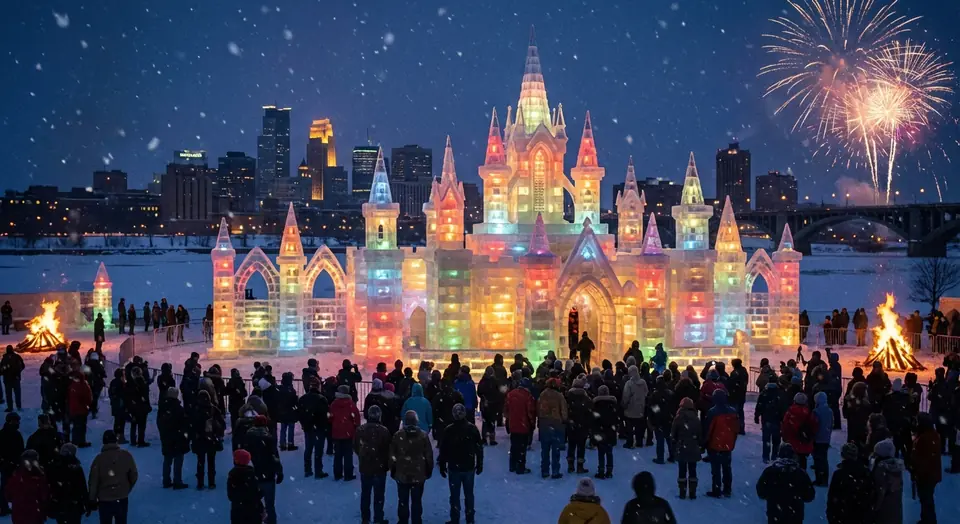
The first carnival was held in 1886, the story goes, to answer a New York reporter who had called Minnesota another Siberia. Saint Paul built an ice palace, crowned King Boreas and has been returning to it, on and off, ever since. There are parades, ice carving and a medallion hunt.
U.S. Pond Hockey Championships
Lake Nokomis, Minneapolis
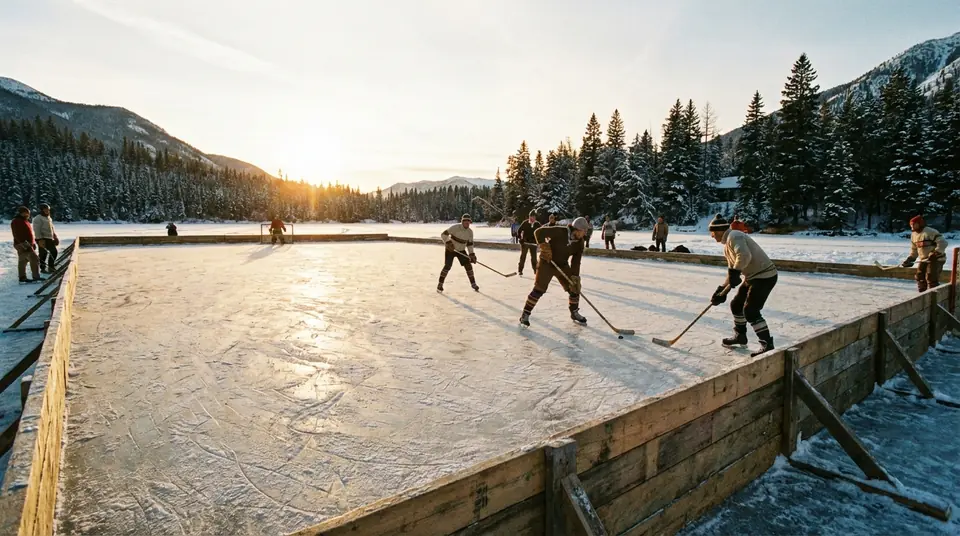
For a weekend each winter a city lake turns into a village of outdoor rinks, with wooden boards, teams of every age and a great deal of tea and coffee in thermoses.
Bentleyville Tour of Lights
Duluth
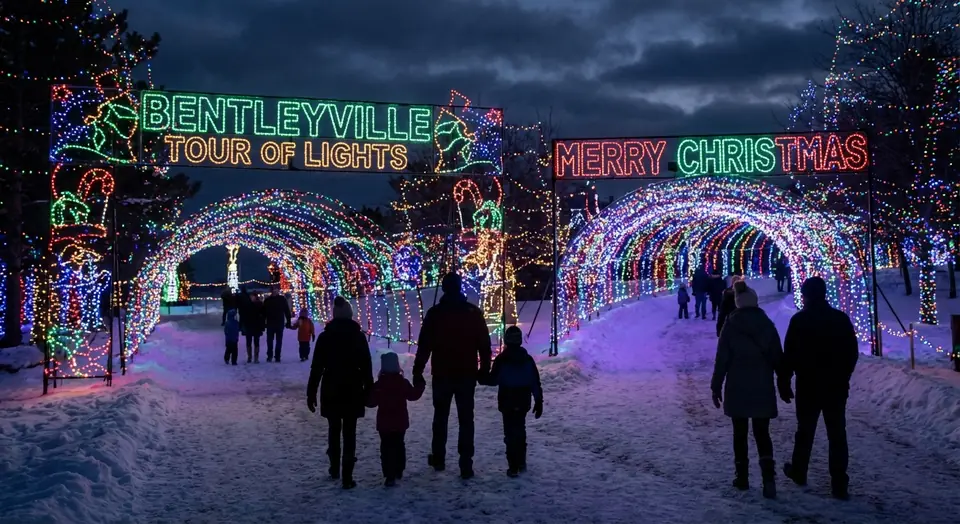
A free walk-through holiday light display on the edge of Lake Superior, billed as the largest of its kind, with millions of lights. Bring a hat. The lake wind does not care about the lights.
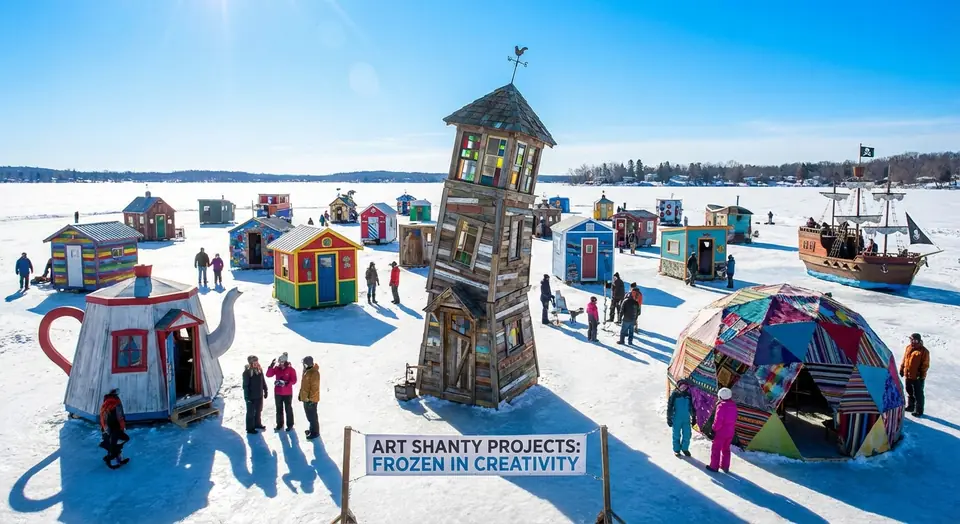
Art Shanty Projects
A frozen Twin Cities lake
Artists build small, odd, interactive structures on the ice, in the shape of the fish houses that anglers use. It is a gallery where everyone keeps their parka on.
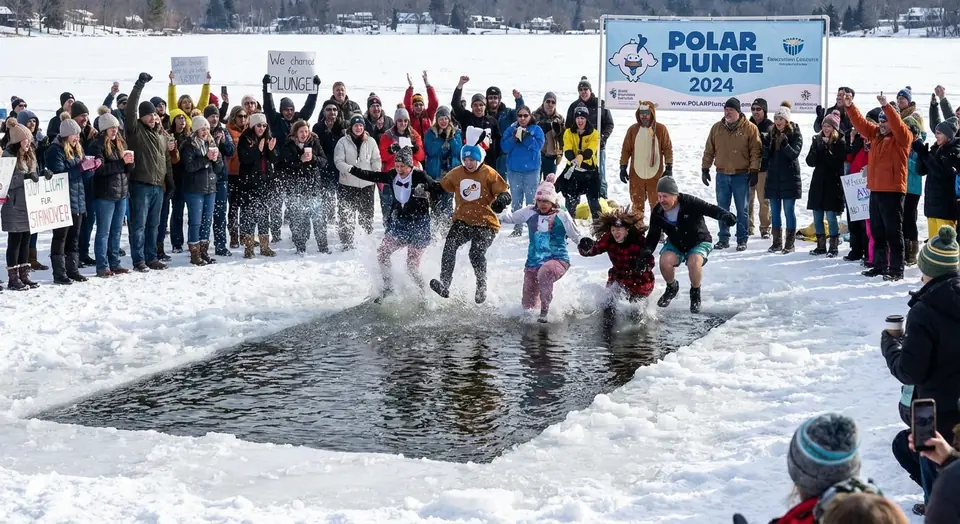
The Polar Plunge
Lakes across the state
People jump into an open hole in a frozen lake on purpose, to raise money for Special Olympics Minnesota. It makes a friendship that only the first ten seconds can forge.
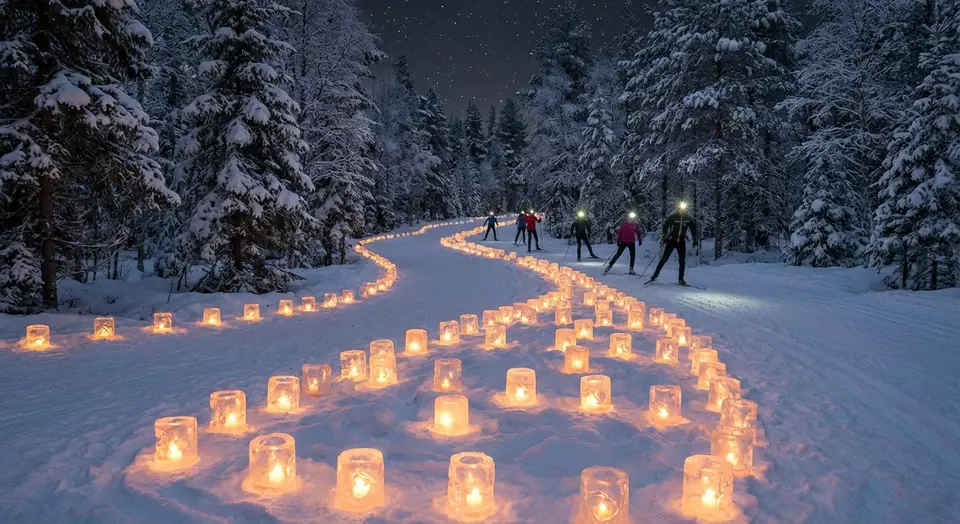
The Luminary Loppet
Lake of the Isles, Minneapolis
A winter night of skiing or walking on a lake lit by thousands of ice lanterns and fires on the shore. It is the quietest event in the list.
6.Winter food
ask about the seventh dish
Winter food is warm, filling and a little stubborn. Here is what to try, and what to be careful with.
Tater tot hotdish
Do not call it a casserole
A baked dish of ground meat, vegetables and a creamy sauce, topped with a crisp layer of tater tots. It is served at church basements, funerals, potlucks and most Tuesdays.
Creamy wild rice soup
Made with the state grain
A thick soup made with wild rice, a grain that grows in the state’s northern lakes. It is often made with chicken or ham and sometimes served in a bread bowl.
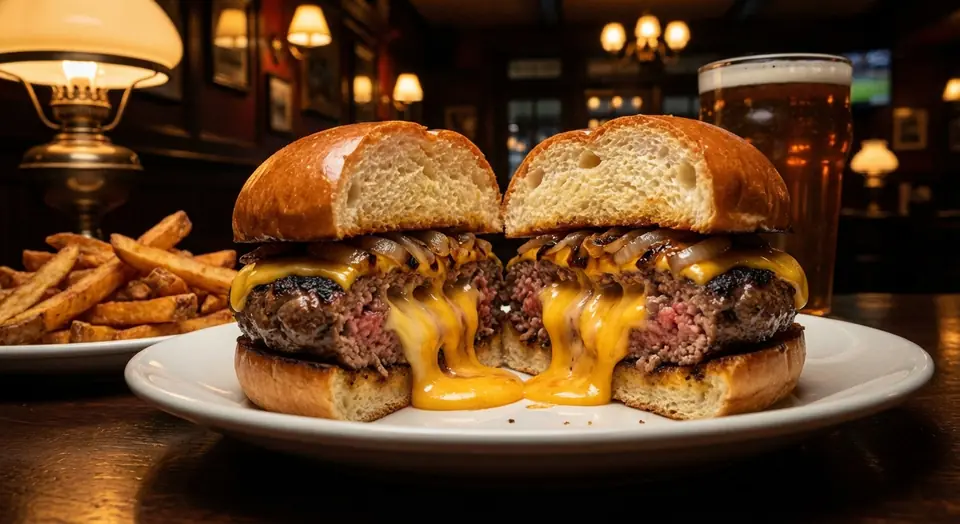
The Juicy Lucy
Wait five minutes
A burger with the cheese sealed inside the patty. The first bite releases molten cheese, so let it cool before you start.
Walleye sandwich
The state fish
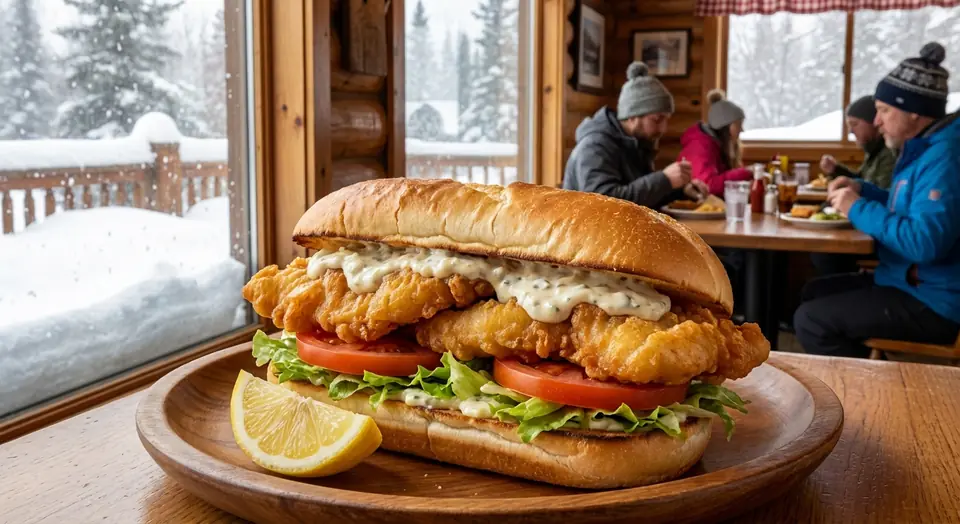
Walleye, breaded and fried, on a bun with tartar sauce and a lemon wedge. Check for bones.
Lutefisk
An acquired taste
Dried whitefish soaked in lye, then rinsed and cooked until it turns soft and jelly-like. It is a Scandinavian holiday dish that people either love or avoid, and is served with butter or white sauce.
Hot cocoa and cider
The fuel of every rink
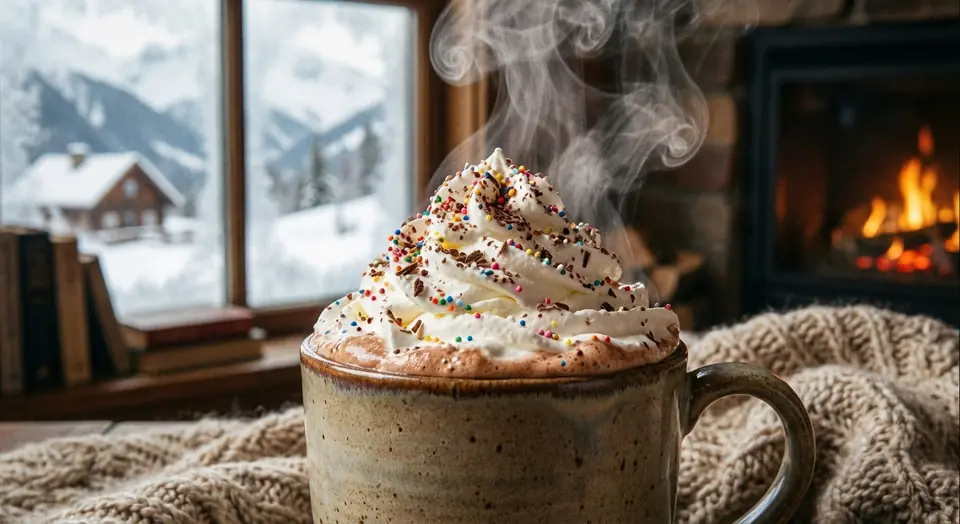
The official drink of outdoor rinks, sledding hills and ice shelters. Adults sometimes add a splash of peppermint schnapps after clearing the driveway.
7.Ice fishing
You cannot catch them from the couch. Well, with a page you can: Out on the Ice is a game of drilling, waiting and setting the
hook, and what bites depends on where you fish, how deep and when, as it does on a real lake.
Play Out on the Ice
Spend a day on a frozen lake: pick a spot, drill a hole, set a tip-up and set the hook when something bites. What bites follows the DNR notes in the gallery below.
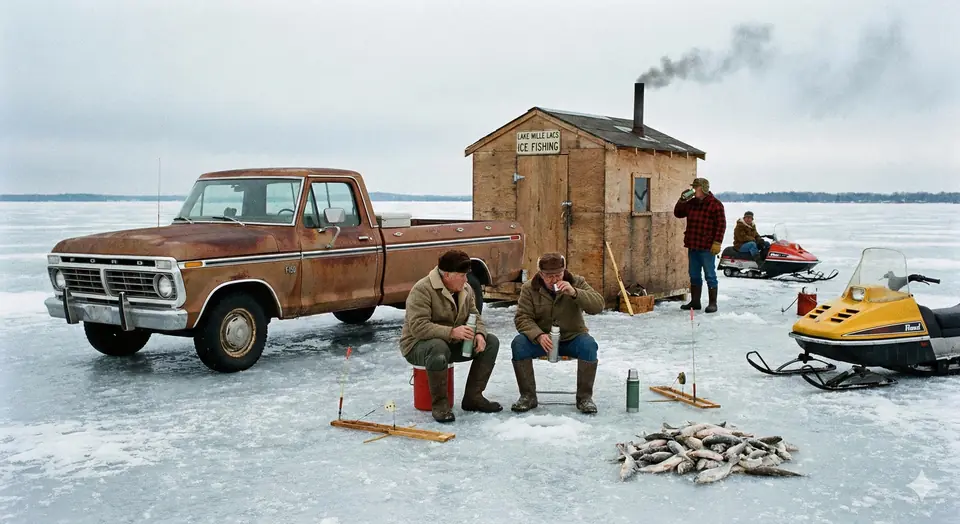
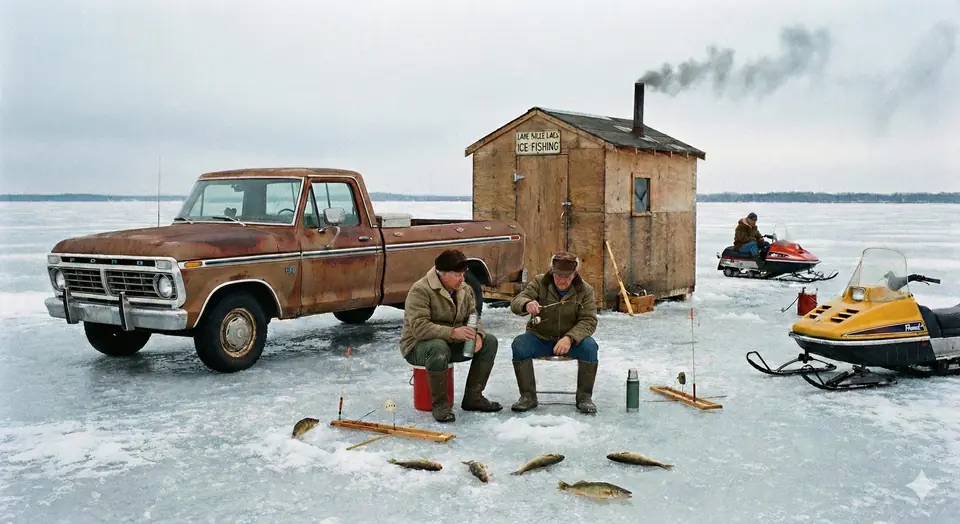
Ice fishing is a winter staple: anglers drill a hole through the ice and fish from the surface or from a heated shelter.
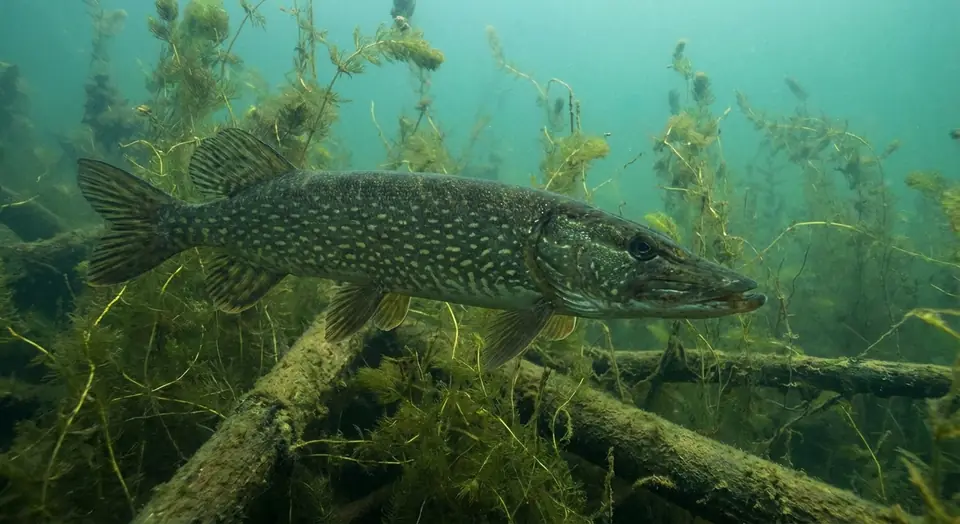
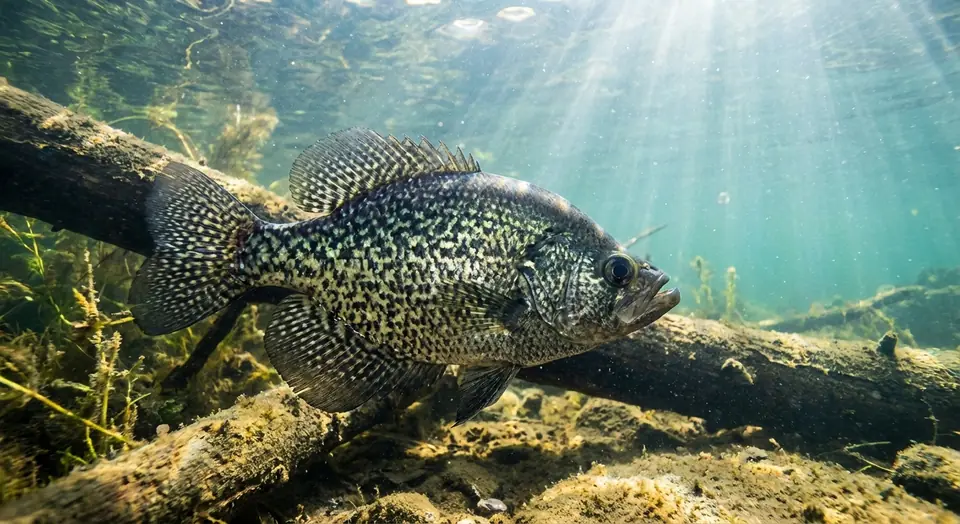
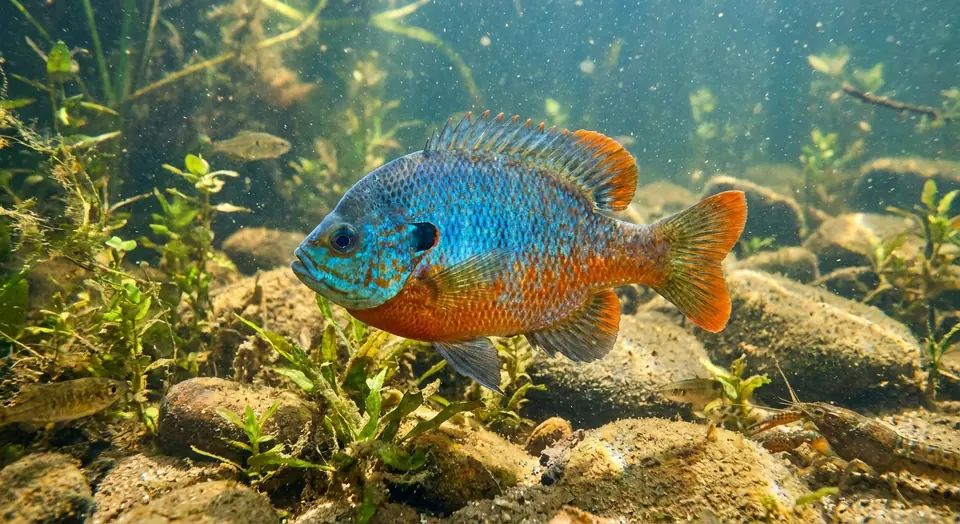
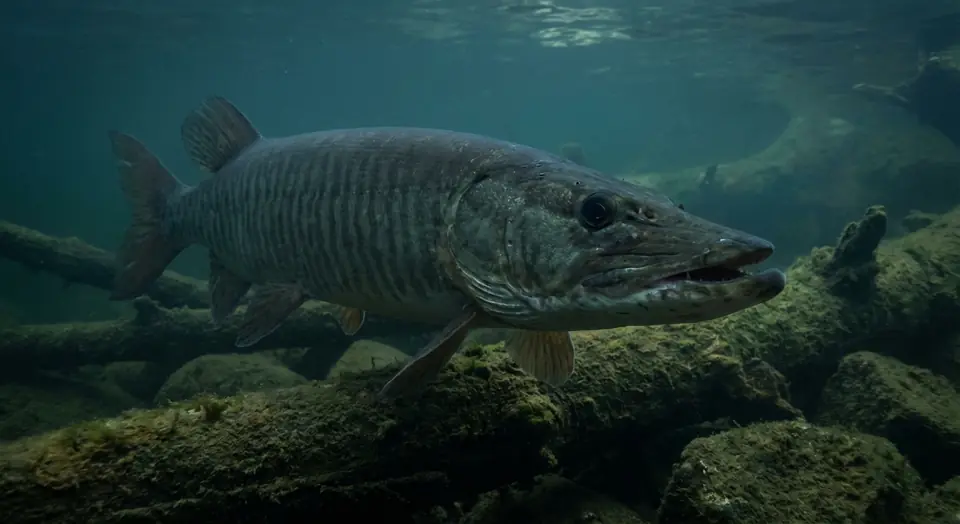
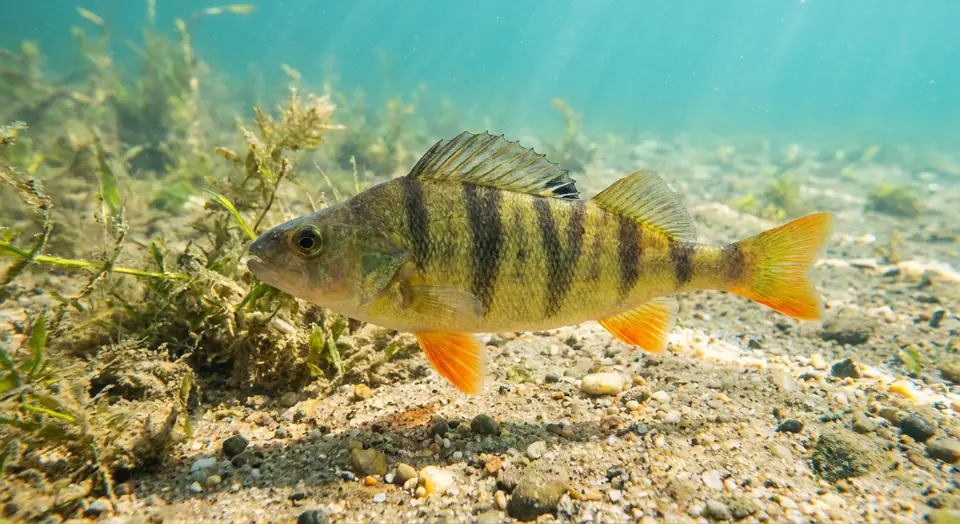
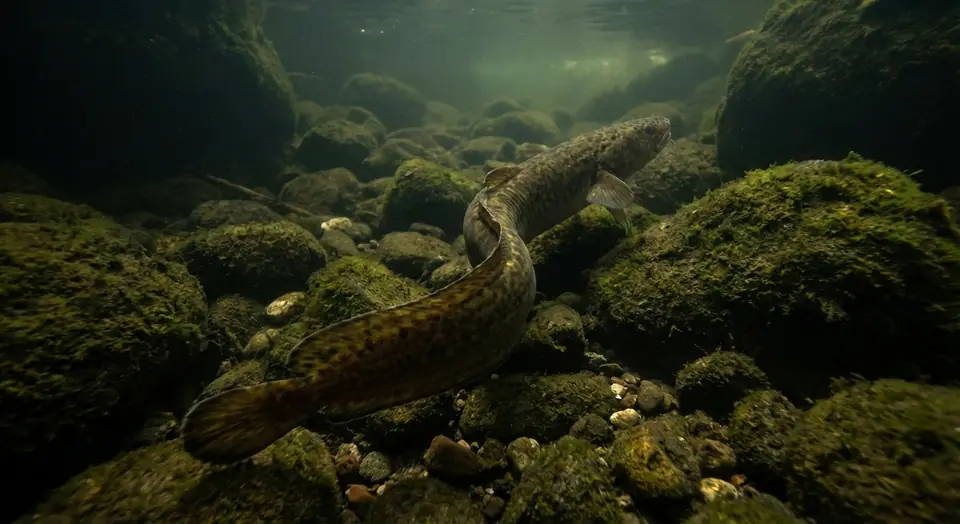
Common catches include walleye, northern pike, crappie, sunfish and perch. Check the Minnesota Department of Natural Resources
(DNR) rules and license requirements before you go.
Fish gallery
Seven fish you might meet, and what the DNR says about where and when they bite.
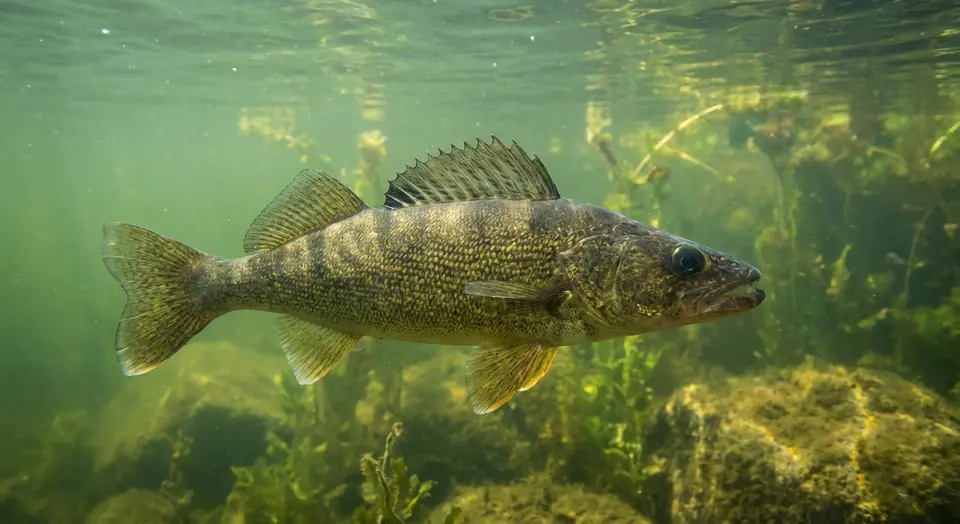
Walleye
The state fish, and the reason for the fish fry.
Holds on points, humps, narrows and drop-offs, most often within a few feet of the bottom, and bites most in the low light of dawn and dusk.
The 90 minutes before and after sunset are prime time.
Suspends between the surface and the bottom, often over the deepest holes, and bites best at dawn and dusk.
Its soft mouth tears if you set the hook too hard.
Crappie brought up from deeper than 20 feet often die if released, so keep what you catch there (within the limit). Minnesota DNR: ice fishing for crappie
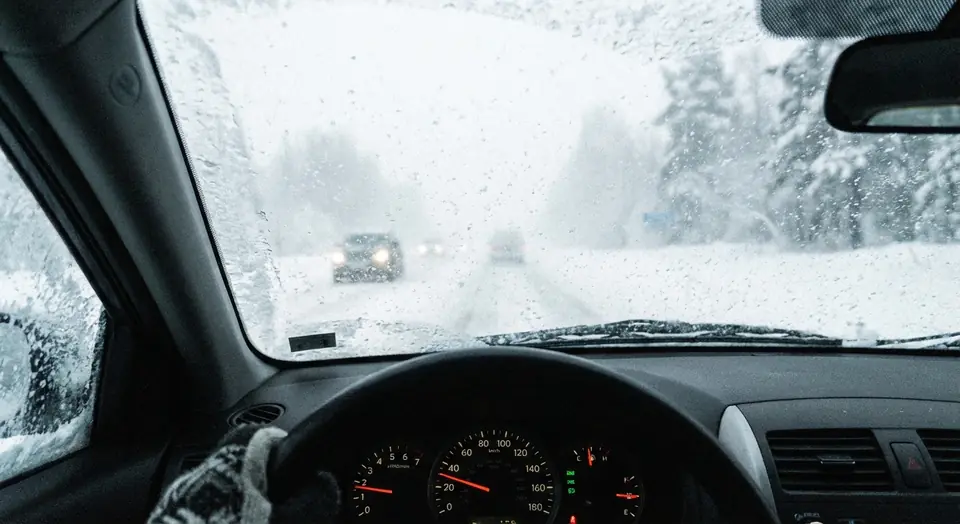
Four-wheel drive helps you go. It does not help you stop.
Do not pump anti-lock brakes. Press firmly and steer.
Skip cruise control on snow and ice.
Slow down and leave much more room between you and the car ahead; stopping on ice takes many times the usual distance.
Brake and steer gently.
Keep the fuel tank at least half full, and clear all snow and ice from the windows, lights and roof before you drive.
If you get stuck, stay with the car, and keep the tailpipe clear of snow if you run the engine for heat.
The ditch is a valid parking spot in February, so give the car behind you a little time.
Trunk survival kit
Tick what is already in your trunk. Nothing is saved, so it is a checklist for the next time you pack.
Shutdown math
How much snow does it take to close things down?
Snowfall and what it does to the day
Snowfall
Impact
What to expect
1 to 3 inches
Nuisance
Roads are greasy and the commute takes twice as long. Schools open.
4 to 7 inches
Messy
The plows are scrambling. Two-hour delays are possible, and a winter driving advisory is likely.
8 to 12 inches
Heavy
A snow emergency is declared and tow trucks are busy. Schools are likely to close.
Over 12 inches
Buried
Travel is not advised. Even the SUVs get stuck. Stay home.
Any ice
Critical
Freezing rain is the great equalizer. Expect an instant school closing.
9.Sledding
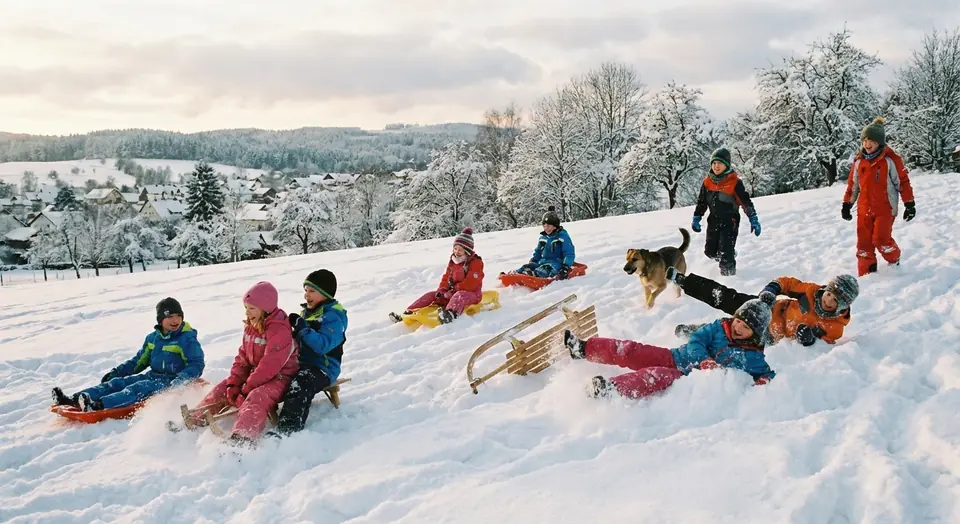
Choosing your vehicle is the most important decision you will make at the top of the hill.
The saucer. No steering and a lot of spinning. Pure chaos, and a good one for a first run.
The plastic toboggan. Fast, and you feel every bump in your spine. Fits two or three, so choose your passengers.
The tube. Bouncy and fast, and likely to turn you backwards on the way down.
10.Skiing
The state has no mountains, only very ambitious hills, and they are icy, fast and often lit until late. Four places to start, downhill and cross-country:
Lutsen Mountains (Downhill, North Shore of Lake Superior). The big one, the state’s largest downhill area, with views of the lake from the lifts.
Buck Hill (Downhill, Burnsville). A modest hill beside the highway where Olympic champion Lindsey Vonn learned to ski.
Spirit Mountain (Downhill, Duluth). Duluth’s own mountain, with views over the harbor and the bridge.
The Loppet (Nordic, Minneapolis). Cross-country skiing in the city, including the candlelit Luminary Loppet on Lake of the Isles.
Cross-country skiing
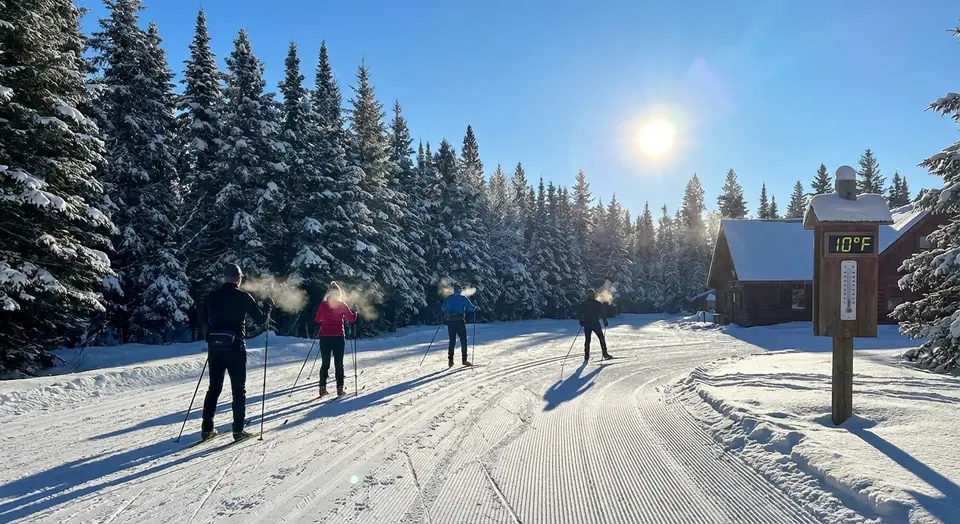
If there is snow in Minnesota, someone has groomed a trail on it, and cross-country is arguably more popular than downhill.
Grant-in-aid trails. More than two thousand miles of trails across the state are groomed with public grant-in-aid money.
State parks. Almost every state park grooms tracks for the winter.
City lakes. Minneapolis grooms trails right across its frozen lakes.
11.Ice safety
The DNR's minimum for walking on new, clear ice is four inches, and it advises more for snowmobiles, ATVs and vehicles.
No ice is ever guaranteed safe. Snow cover, warm spells and moving water all weaken it, and thickness changes across a lake, so
measure it yourself with an auger or spud bar, and do not rely on someone else's tracks.
White ice is weaker. These figures are for new, clear ice only. White ice, also called snow ice, is
about half as strong. Double the thickness for it.
Minimum thickness of new, clear ice
Thickness
Bar
Safe for
Two inches or less
Stay off.
Four inches
Walking and ice fishing, on foot.
Five to seven inches
A snowmobile or ATV.
Eight to twelve inches
A car or small pickup.
Twelve to fifteen inches
A medium truck.
Fifteen inches and more
A heavy truck.
Typical ice growth
How ice builds through the season
When
Thickness
Status
What it is like
Early December
0 to 4 inches
Forming
The first ice is extremely variable. Test with a chisel at every step.
Late December
4 to 10 inches
Walking and ATVs
Often safe for walking, and the snowmobiles start to venture out.
January
12 to 20 inches
Driving
Ice roads open on the big lakes, and pickups drive out to the shelters.
February
20 to 36 inches
Peak ice
Auger extensions come out. The lake is as hard as concrete in the middle.
March
Thinning
Rotting
The ice goes soft and honeycombed. It is dangerous whatever its thickness, so get off.
12.Cold and snow records
The numbers behind the stories. Sources are listed at the end.
Cold and snow records
−60 °F
State record low. The coldest official temperature in the state’s history, or −51 °C, according to the Minnesota DNR. Near Tower, St. Louis County · 2 February 1996
−56 °F
Coldest in the Lower 48 in years. The National Weather Service in Duluth reported it as the coldest reading in the contiguous United States during that outbreak. Cotton, St. Louis County · 31 January 2019
170.5 inches
Snowiest winter. The state’s record for seasonal snowfall, from the Minnesota DNR: more than fourteen feet, taller than a basketball hoop. Pigeon River Bridge, near Grand Portage · 1949 to 1950
28.4 inches
Halloween blizzard. The single-storm record there, per the DNR. Duluth got 36.9 inches, but it was the metro area that shut down for days. Twin Cities airport · 31 October 1991
114 °F
Highest temperature. The same state has a heat record, which is a 160 °F swing from the cold one. Sources differ on the exact figure, so treat it as about 114. Beardsley, and Moorhead · 29 July 1917 and 6 July 1936